
Description
Core Gameplay Loop
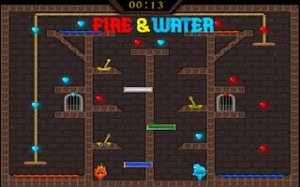
In Temple of Elements: Dual Heroes, players take charge of two distinct characters, each with unique abilities tied to their elemental nature. One hero can safely traverse areas filled with fire, while the other is immune to watery sections. The central challenge lies in navigating both characters through a series of temple-themed levels, avoiding hazards that are lethal to each hero individually. Green mud poses a threat to both, requiring careful coordination. The objective is to guide each hero to their color-coded exit, which demands planning and timing.
Level Design Philosophy
The levels in this game are crafted to test logical thinking and teamwork. Each stage presents a new arrangement of obstacles, levers, and platforms that must be activated in sequence. The difficulty ramps up gradually, ensuring that players are constantly learning without feeling overwhelmed. The temple setting provides a cohesive visual theme, with each area offering distinct environmental puzzles that feel fresh. The design encourages players to think ahead, as a single misstep can force a restart.
Cooperative and Solo Modes
This game supports both cooperative play with a friend and solo play where one person controls both characters. In cooperative mode, communication becomes essential, as each player must synchronize their movements to avoid hazards and activate mechanisms. Solo play requires a different kind of focus, as the player must split their attention between two characters. This flexibility makes the game accessible to different play styles and group sizes, from family sessions to individual puzzle solving.
Visual and Audio Atmosphere
The temple environment is brought to life with a clean, colorful art style that is easy on the eyes. Each hero has a distinct visual identity, making them easy to track on screen. The audio design includes subtle environmental sounds and feedback cues that signal successful actions or hazards. This sensory feedback helps players stay engaged without being distracting. The overall presentation is polished and family-friendly, suitable for players of all ages.
Progression and Replay Value
As players advance, they encounter new puzzle elements that build on previous mechanics. The game offers a steady sense of progression, with each completed level unlocking the next. While the main path is linear, the optional collection of diamonds adds a layer of replayability for those seeking extra challenges. The cooperative nature also invites replaying levels with different partners, as strategies can vary. This structure keeps the experience fresh for multiple playthroughs.






Player Comments
Sign in to comment
You must be logged in before posting a review or rating.
No account? Create one
No comments yet. Be the first to comment!